What is PAD?
A condition where arteries are narrowed or blocked by plaque buildup (atherosclerosis), reducing blood flow to legs and feet.
PAD increases the risk of heart attack, stroke, and serious limb complications, including amputation.
Do You Experience These Symptoms?
If you're experiencing any of these symptoms, you may be eligible for a specialist consultation.
Leg Pain / Cramping While Walking
Commonly known as claudication.
Cold Feet or Legs
A sign of reduced blood flow to extremities.
Weak or Absent Pulses
Usually checked in the feet by specialists.
Non-healing Wounds
Sores on toes or feet that fail to heal.
Skin Color Changes
Pale or bluish skin on the legs or feet.
Pain Improving with Rest
A key indicator of arterial circulation issues.
High-Risk Factors
Request Information
Submit your information to see if you could be eligible for a consultation. A specialist can evaluate these conditions further.
Why Choose Us?
Expert Clinical Triage
We help you identify if your symptoms match clinical requirements for PAD or other circulatory conditions.
Direct Specialist Access
We connect you with specialists who focus on diagnosing and treating narrowed or blocked arteries.
Streamlined Coordination
From screening to specialist evaluation, we simplify the process of getting the care you need.
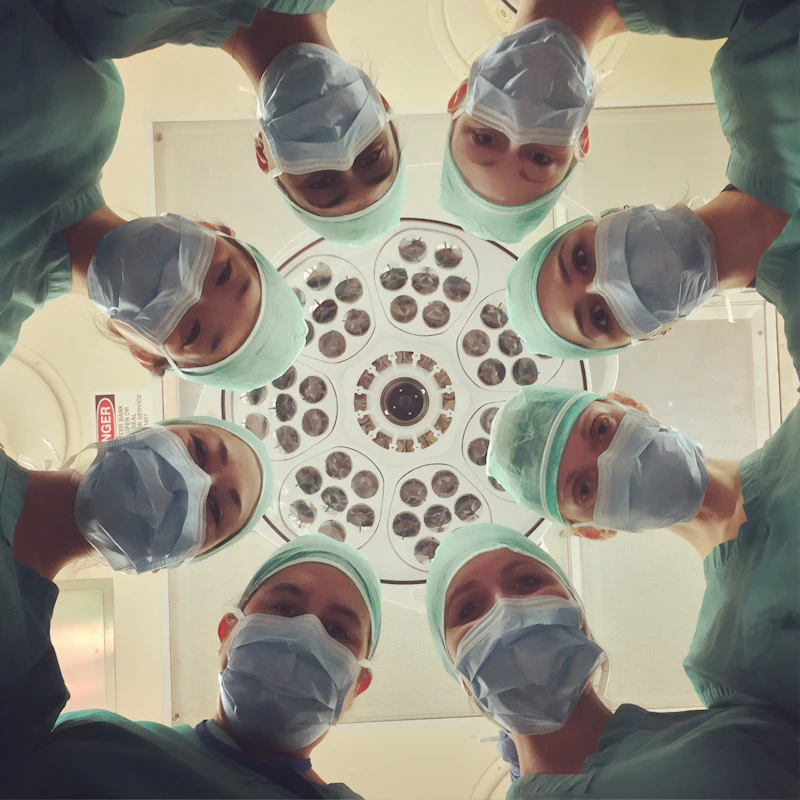
Patient-Centered Care
Early intervention is critical to preventing serious complications like heart attack or stroke.
Frequently Asked Questions
What is Peripheral Artery Disease?
PAD is a condition where arteries in the legs become narrowed or blocked, reducing blood flow to the legs and feet.
What are common signs of PAD?
- Leg pain or cramping when walking that improves with rest
- Cold feet or legs
- Numbness or weakness
- Slow-healing cuts or sores on toes or feet
- Shiny skin or hair loss on legs
Why is PAD serious?
PAD can increase the risk of heart attack, stroke, and in severe cases, amputation. Early diagnosis and treatment are very important.
How is PAD diagnosed?
Doctors use simple, non-invasive tests such as circulation studies and ultrasound.
Can PAD be treated?
Yes. Treatments may include lifestyle changes, medication, and minimally invasive procedures to improve blood flow.
Will My Insurance Cover This Treatment?
Insurance coverage for PAD depends on your specific plan and medical needs. In many cases, treatments that are considered medically necessary are covered in part or in full by most major insurance providers. We can help schedule your appointment, and the clinic will verify your insurance coverage before your visit.